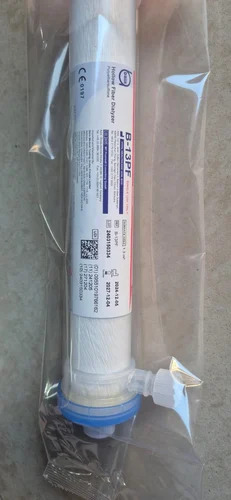
Prevents Biofilm Formation
Biofilm — a structured bacterial community — forms on wetted surfaces inside the machine. Once established, it is extremely hard to remove. Regular citric acid cycles stop biofilm from taking hold.
Medical-grade 21% citric acid solution for cleaning, descaling and disinfecting dialysis machines between sessions. Removes mineral deposits, disinfects fluid pathways, and preserves machine performance — as required by manufacturer cleaning protocols.
A hemodialysis machine moves 100–200 litres of fluid through its internal pathways every session. Mineral deposits, biofilm and trace bacterial contamination build up over time if not removed. Disinfection between sessions is not optional — it is a manufacturer requirement, an infection-control requirement, and the single biggest factor in machine lifespan.
Skipped or ineffective machine disinfection is a root cause of dialysis unit incidents worldwide — from haemolysis events to machine downtime.
Biofilm — a structured bacterial community — forms on wetted surfaces inside the machine. Once established, it is extremely hard to remove. Regular citric acid cycles stop biofilm from taking hold.
Kenyan water supplies are often hard. Calcium and magnesium carbonate deposits build up in the machine's heaters and fluid pathways. Citric acid dissolves these deposits efficiently.
A dialysis machine is a multi-million shilling asset. Consistent disinfection with manufacturer-approved chemistry extends service life and reduces repair downtime.
An overview of how disinfectant integrates into a dialysis machine's cleaning cycle. Follow your machine manufacturer's specific procedure.
The citric acid can is connected to the machine's dedicated cleaning/disinfection port — typically via a suction tube that draws the solution in during the cleaning cycle.
The machine draws the citric acid through its fluid pathways — heaters, valves, flow sensors and the dialysate side of the circuit. Cycle length and temperature are set by the machine manufacturer.
The machine holds the disinfectant for a defined dwell time (per manufacturer), then flushes with purified water until residual citric acid is below the specified threshold.
Machine is disinfected, descaled and ready for the next patient. Some facilities log the completion of each cleaning cycle as part of their infection-control documentation.
| Product Name | Citric Acid Disinfectant 5L (21%) |
|---|---|
| SKU | CAD-5L |
| Category | Renal Equipment Care |
| Volume | 5 Litres |
| Concentration | 21% Citric Acid |
| Application | Dialysis machine cleaning & disinfection |
| Packaging | Sealed medical-grade can |
| Machine Compatibility | Standard hemodialysis machines — Fresenius, Nipro, B. Braun, Nikkiso |
| Storage | Cool, dry, upright — sealed until use |
| Shelf Life | As labelled on can |
| Unit of Measure | Can |
| Availability | In Stock — Nationwide delivery |
| Bulk Pricing | Available for 20+ cans |
At 21% concentration, citric acid can irritate skin on contact. Nitrile or latex gloves are sufficient for routine handling.
Use splash-rated eye protection when connecting the disinfectant tube to the machine or handling open containers.
Keep citric acid disinfectant in its original labeled can. Transfer to unlabeled containers is a serious safety risk — especially in a facility also handling other chemicals.
Keep cans upright in a cool, dry, ventilated storage room away from direct sunlight and away from other chemicals.
Never mix citric acid with bleach or other disinfectant chemistry. Use each disinfectant per its own protocol.
Do not reuse empty cans for other purposes. Dispose via your facility's waste management protocol.
Citric acid disinfectant is used to clean, descale and disinfect hemodialysis machines between treatment sessions. It removes mineral deposits (especially calcium carbonate) that accumulate in the machine's fluid pathways, and provides antimicrobial action against common water-borne organisms. Regular disinfection is a standard part of dialysis machine reprocessing protocols.
21% citric acid is the concentration most commonly recommended by dialysis machine manufacturers for their cleaning cycles. Lower concentrations may not descale effectively; higher concentrations risk damaging machine components. Following the machine manufacturer's specified concentration is essential for warranty compliance and component longevity.
The disinfectant is drawn into the machine through its dedicated cleaning port, circulated through the fluid pathways on the machine's cleaning cycle, then rinsed out. Follow the machine manufacturer's specific procedure — cycle length, temperature and rinse sequence vary by model.
Citric acid at 21% concentration is compatible with the fluid pathways of the vast majority of modern hemodialysis machines (Fresenius, Nipro, B. Braun, Nikkiso). Always verify compatibility with your specific machine model's manufacturer instructions, especially for machines with non-standard materials in their fluid pathway.
Store in a cool, dry environment, upright, in the original sealed can. Keep away from direct sunlight. Do not decant into unlabeled containers. Once opened, use per your facility's protocol.
Yes. Disinfection consumption scales with session volume, so we can forecast your monthly usage and arrange recurring deliveries aligned to it. Contact us to set this up.
Tell us quantity and delivery location. We respond within 24 hours.